

What is the wear resistance of a headlight mould?
Hey there! I'm a supplier of Headlight Mould, and I'm super excited to chat with you about the wear resistance of headlight moulds. You might be wondering, "Why is wear resistance so important?" Well, stick around, and I'll break it down for you.
First off, let's understand what wear resistance means in the context of a headlight mould. Wear resistance refers to the ability of the mould to withstand the effects of friction, abrasion, and other types of wear and tear over time. When we're talking about headlight moulds, they go through a lot during the manufacturing process. There are high - pressure injections, the flow of molten plastic, and repeated cycles of heating and cooling. All these factors can cause the mould to wear out if it doesn't have good wear resistance.
Now, why does wear resistance matter? For starters, a headlight mould with high wear resistance will last longer. This means less downtime for mould replacement and maintenance. As a manufacturer, you don't want your production line to be halted because the mould has worn out. It can cost you a lot in terms of lost production time and money.
Let's take a look at some of the factors that affect the wear resistance of a headlight mould. The material of the mould is a huge factor. High - quality tool steels are often used for headlight moulds because they have good hardness and toughness. For example, some advanced tool steels can be heat - treated to achieve a high level of hardness on the surface, which helps resist abrasion.

The design of the mould also plays a role. A well - designed mould will have a more even distribution of stress during the injection process. If the stress is concentrated in one area, that area is more likely to wear out quickly. So, we focus on creating moulds with smooth internal surfaces and proper gating systems to ensure that the molten plastic flows evenly, reducing the wear on the mould.
The manufacturing process of the headlight mould itself can impact wear resistance. Precision machining is crucial. If the mould is not machined accurately, there may be rough spots or uneven surfaces. These imperfections can cause increased friction and wear when the plastic flows through the mould. We use state - of - the - art machining techniques to ensure that our Headlight Mould have a high - quality finish and precise dimensions.
Another important aspect is the surface treatment of the mould. There are various surface treatment methods available, such as nitriding. Nitriding creates a hard nitride layer on the surface of the mould, which significantly improves its wear resistance. This layer acts as a barrier between the mould and the flowing plastic, reducing the direct contact and thus the wear.
Let's talk about the benefits of having a headlight mould with excellent wear resistance for your business. Firstly, as I mentioned earlier, it reduces maintenance costs. You won't have to replace the mould as frequently, and the maintenance work will be less intensive. This directly translates into cost savings for your company.
Secondly, it improves the quality of the headlights produced. A worn - out mould can lead to defects in the headlights, such as surface roughness, uneven thickness, or flash. With a highly wear - resistant mould, you can ensure that each headlight produced meets the high - quality standards you need.
Now, when it comes to the types of wear that a headlight mould may experience. Abrasive wear is one of the most common types. This occurs when hard particles in the plastic or debris in the injection system rub against the surface of the mould. Adhesive wear can also happen when the plastic sticks to the mould surface during the injection process and then pulls away, taking some of the mould material with it.
We also need to consider the impact of different plastics used in Headlight Injection Moulding. Some plastics are more abrasive than others. For example, glass - filled plastics can be quite harsh on the mould because the glass fibers act like little cutting tools as they flow through the mould. So, when selecting a headlight mould, it's important to consider the type of plastic you'll be using and choose a mould with appropriate wear - resistant properties.
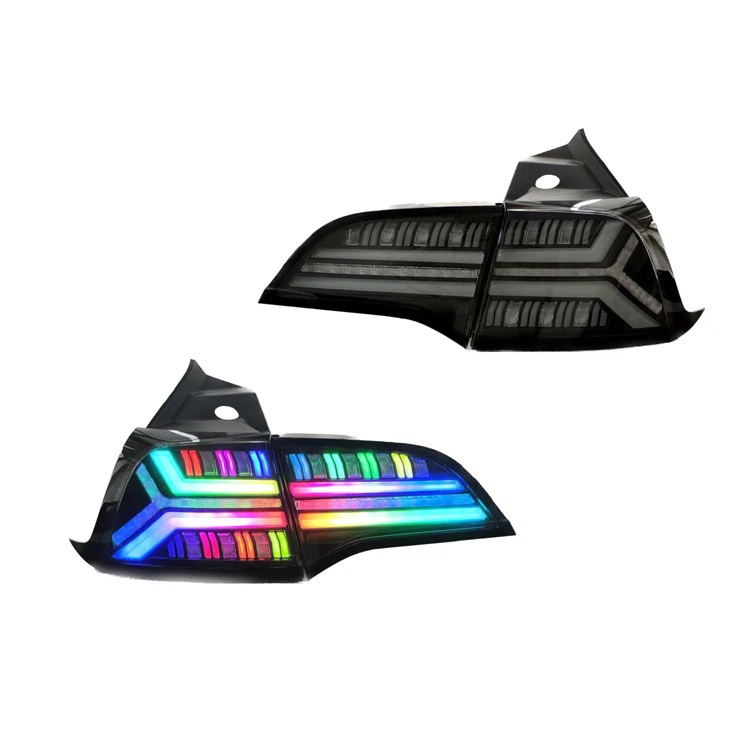
In addition to headlights, we also offer Multi - color Tail Light Mould. The principles of wear resistance apply to these moulds as well. Just like headlight moulds, tail light moulds also go through high - pressure injection processes and need to withstand the wear caused by the flowing plastic.
If you're in the market for high - quality headlight moulds or multi - color tail light moulds, we've got you covered. Our team of experts is constantly researching and developing new ways to improve the wear resistance of our moulds. We use the latest materials and manufacturing techniques to ensure that our moulds can meet the demands of modern automotive lighting production.
Whether you're a small - scale manufacturer or a large - scale production facility, having a reliable and wear - resistant mould is essential for your success. You don't want to compromise on the quality of your products due to a poorly performing mould.
So, if you're interested in learning more about our Headlight Mould or Multi - color Tail Light Mould, or if you have any questions about Headlight Injection Moulding, don't hesitate to get in touch. We're more than happy to have a chat with you and discuss how our products can fit your specific needs.
In conclusion, wear resistance is a crucial factor when it comes to headlight moulds. It affects the longevity of the mould, the quality of the products, and the overall cost - effectiveness of your production. By choosing a high - quality, wear - resistant mould, you can ensure a smooth and efficient manufacturing process. So, why wait? Reach out to us and let's start a conversation about how we can help you with your headlight and tail light moulding needs.
References:
- "Tool and Die Making Technology" by various authors, which provides in - depth knowledge about mould materials and manufacturing processes.
- Industry research reports on automotive lighting moulding, which offer insights into the latest trends and challenges in the field.


