

UV rays, those invisible components of sunlight, can have a pretty significant impact on exterior molding. As an exterior molding supplier, I've seen firsthand how these rays can mess with the quality and longevity of our products. Let's dive into what exactly happens when our exterior moldings face the wrath of UV rays.
How UV Rays Affect Exterior Molding
Color Fading
One of the most noticeable effects of UV rays on exterior molding is color fading. You know how your favorite T - shirt loses its bright color after too many days in the sun? Well, the same thing happens to our moldings. The pigments in the molding materials absorb UV energy. Over time, this energy breaks down the chemical bonds in the pigments, causing them to lose their ability to reflect light in the same way. So, that shiny, vibrant color you loved when you first installed the Rear View Mirror Mould starts to look dull and washed - out.
Material Degradation
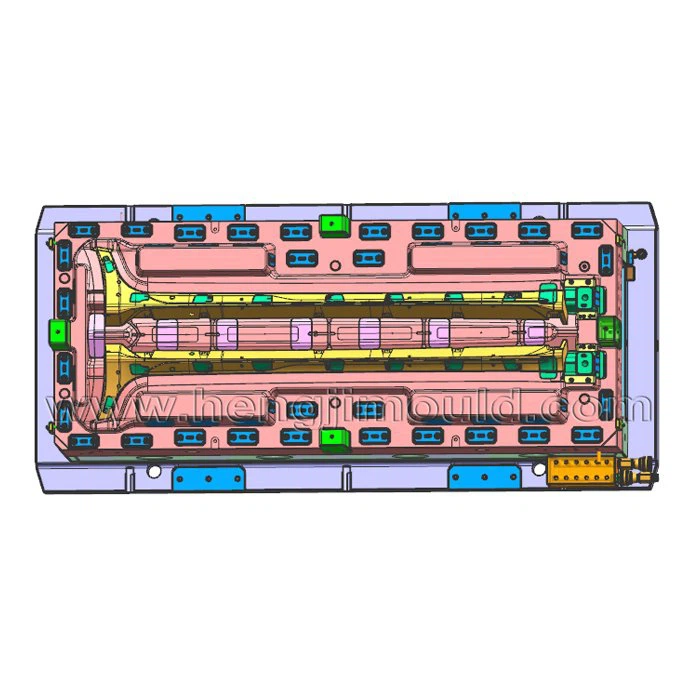
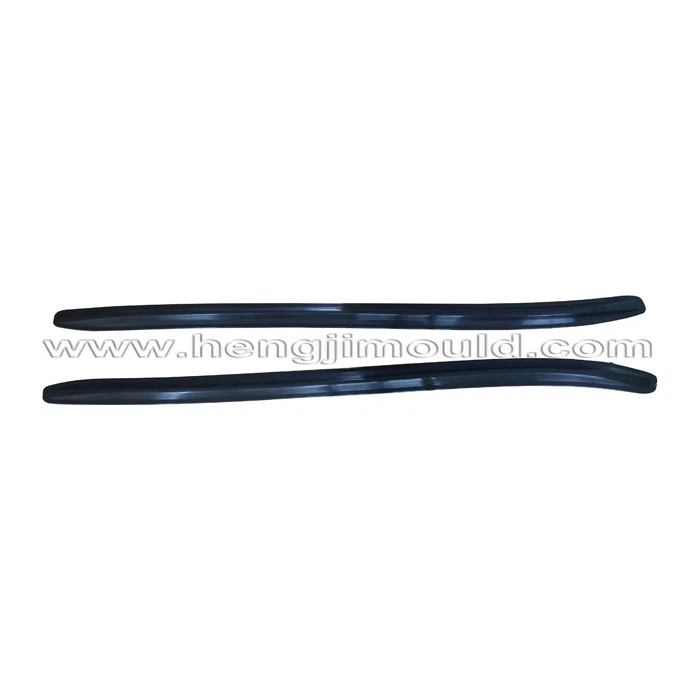
UV rays are like tiny little wrecking balls at the molecular level. They can break down the polymers in plastic moldings. Most of our exterior moldings, including the Roof Molding Mould and Plastic Side Skirt Trim Moulding, are made of plastics. When UV rays hit these plastics, they cause the long - chain polymer molecules to break into smaller pieces. This leads to a loss of strength and flexibility in the material.
The molding can become brittle, which means it's more likely to crack or break when it's exposed to normal wear and tear, like a little bump or a change in temperature. In some cases, the surface of the molding can start to flake or peel, making it look shabby and reducing its overall lifespan.
Surface Cracking
As the material degrades due to UV exposure, surface cracking is a common problem. The loss of flexibility in the plastic makes it less able to withstand stress. For example, when the temperature changes throughout the day, the molding expands and contracts. A healthy, UV - resistant molding can handle these changes without a problem. But a molding that's been weakened by UV rays can't. The stress from expansion and contraction causes small cracks to form on the surface. These cracks not only look bad but can also allow moisture to seep in, which can lead to further damage like rusting if there are any metal components in or under the molding.
Factors That Influence the Impact of UV Rays
Molding Material
Different materials react differently to UV rays. For instance, PVC (polyvinyl chloride) is a popular choice for exterior moldings because it's relatively inexpensive and easy to work with. However, it's also quite susceptible to UV damage. On the other hand, some high - performance plastics and composites are formulated with UV stabilizers. These stabilizers act like little shields, absorbing the UV rays before they can damage the main material. So, if you're choosing an exterior molding, the material you pick can make a big difference in how well it holds up against the sun.
Location and Exposure
Where the molding is installed matters a lot. If a molding is on the south - facing side of a building, it's going to get a lot more direct sunlight than one on the north - facing side. Also, the climate in your area plays a role. In sunny, hot regions, the UV intensity is much higher, and the moldings will be exposed to more UV rays for longer periods. This means that the impact of UV rays will be more severe and happen more quickly compared to a cooler, cloudier area.
Duration of Exposure
The longer a molding is exposed to UV rays, the more damage it will sustain. Newly installed moldings might look great for a few months, but over the years, the cumulative effect of UV exposure will start to show. This is why it's important to think about long - term durability when choosing exterior moldings.
How We, as a Supplier, Combat UV Damage
At our company, we take UV damage seriously. We know that our customers expect our moldings to look good and last a long time. So, we've implemented several strategies to protect our products from the harmful effects of UV rays.
UV - Resistant Coatings
One of the things we do is apply UV - resistant coatings to our moldings. These coatings are like a protective layer that sits on top of the molding material. They absorb and reflect a large portion of the UV rays, preventing them from reaching the underlying material. This helps to slow down color fading, material degradation, and surface cracking.
Adding UV Stabilizers
As I mentioned earlier, we also use UV stabilizers in the manufacturing process, especially for plastic moldings. These stabilizers are mixed into the plastic resin before it's molded. They work by either absorbing the UV energy or by reacting with the free radicals that are produced when the material absorbs UV rays. This helps to keep the polymer molecules intact and maintain the strength and flexibility of the molding.
Quality Control
We have a strict quality control process in place. Before any molding leaves our factory, it goes through a series of tests to make sure it can withstand UV exposure. We simulate different levels of UV exposure in our labs and check for signs of color fading, material degradation, and surface cracking. Only the moldings that pass these tests are sent out to our customers.
Why It Matters to You as a Buyer
If you're in the market for exterior moldings, understanding the impact of UV rays is crucial. You wouldn't want to spend your hard - earned money on a molding that's going to look terrible in a year or two. By choosing UV - resistant moldings, you can save yourself the hassle and cost of having to replace the moldings frequently.
Our UV - protected moldings not only look better for longer but also maintain their structural integrity. This means they'll continue to provide the protection and aesthetic appeal that you're looking for. Whether you're working on a residential project or a commercial one, the quality of the exterior moldings can make a big difference in the overall look and value of the building.
Contact Us for UV - Resistant Exterior Moldings
If you're interested in high - quality, UV - resistant exterior moldings, we'd love to hear from you. We have a wide range of products, including the Rear View Mirror Mould, Roof Molding Mould, and Plastic Side Skirt Trim Moulding. Our team of experts can help you choose the right molding for your specific needs and location. We're committed to providing excellent customer service and ensuring that you're satisfied with your purchase. So, don't hesitate to reach out and start a conversation about your exterior molding requirements.
References
- "Polymer Degradation and Stabilization" by Carlsson, D. J., & Wiles, D. M.
- "UV Radiation and Its Effects on Building Materials" from the Journal of Building and Construction Materials.


