

Hey there! As a lamp mould supplier, I often get asked about the difference between single - cavity and multi - cavity lamp moulds. So, I thought I'd take the time to break it down for you in this blog post.
Let's start with the basics. A single - cavity lamp mould is exactly what it sounds like: it has only one cavity. This means that each time the mould goes through the injection moulding process, it can produce just one lamp part. On the other hand, a multi - cavity lamp mould has multiple cavities. So, in a single injection cycle, it can churn out several lamp parts at once.
Production Efficiency
One of the most obvious differences between the two is production efficiency. If you're in a hurry to get a large number of lamp parts made, a multi - cavity lamp mould is your best bet. Since it can produce multiple parts in one go, the overall production time is significantly reduced. For example, if you have a multi - cavity mould with 10 cavities, you can produce 10 lamp parts in the time it takes a single - cavity mould to make just one.
But it's not all rosy with multi - cavity moulds. Setting up a multi - cavity mould is more complex and time - consuming. You need to ensure that each cavity is properly calibrated so that the parts produced are of consistent quality. Any misalignment or issue in one cavity can affect the entire batch. Single - cavity moulds, on the other hand, are much simpler to set up. There's only one cavity to worry about, so you can get the production up and running quickly, especially for small - scale production.
Cost Considerations
Cost is another major factor when choosing between single - cavity and multi - cavity lamp moulds. Multi - cavity moulds are generally more expensive to manufacture. They require more materials, more precise machining, and more advanced design to ensure uniform filling of all cavities. However, when it comes to the cost per part, multi - cavity moulds often come out on top for large - volume production.
Let's say you need to produce 10,000 lamp parts. The initial investment in a multi - cavity mould might be high, but as you produce more and more parts, the cost per part decreases. In contrast, a single - cavity mould has a lower upfront cost, but the cost per part remains relatively high for large - scale production because you're spending the same amount of time and resources to make one part at a time.
For small - batch production, though, a single - cavity mould is usually the more cost - effective option. You don't have to shell out a large sum for a complex multi - cavity mould, and you can still get your parts made without incurring unnecessary expenses.
Quality and Precision
Quality and precision are crucial in the lamp industry. Single - cavity moulds can offer higher precision in some cases. Since there's only one cavity, it's easier to control the injection process, temperature, and pressure. This can result in parts with more consistent dimensions and better surface finish.
Multi - cavity moulds, while capable of producing high - quality parts, face more challenges in maintaining uniformity across all cavities. Minor differences in the flow of the molten material, temperature variations, or wear and tear in different cavities can lead to slight differences in the parts produced. However, with advanced technology and proper maintenance, these issues can be minimized.
Applications
The choice between single - cavity and multi - cavity lamp moulds also depends on the specific application. For custom - made or prototype lamps, a single - cavity mould is ideal. You can quickly produce a small number of parts for testing and refinement without investing in an expensive multi - cavity mould.
For mass - produced lamps, such as those used in automotive lighting, multi - cavity moulds are the norm. Automotive manufacturers need to produce thousands or even millions of lamp parts, and multi - cavity moulds can meet this high - volume demand efficiently. If you're interested in automotive lamp moulds, you can check out our Multi - color Tail Light Mould and Headlight Mould. These are designed to meet the high - quality and high - volume requirements of the automotive industry.
Headlight Injection Moulding
Speaking of automotive lighting, headlight injection moulding is a specialized process. Headlights need to be of the highest quality, with precise optical properties. Whether you use a single - cavity or multi - cavity mould for headlight injection moulding depends on your production needs.

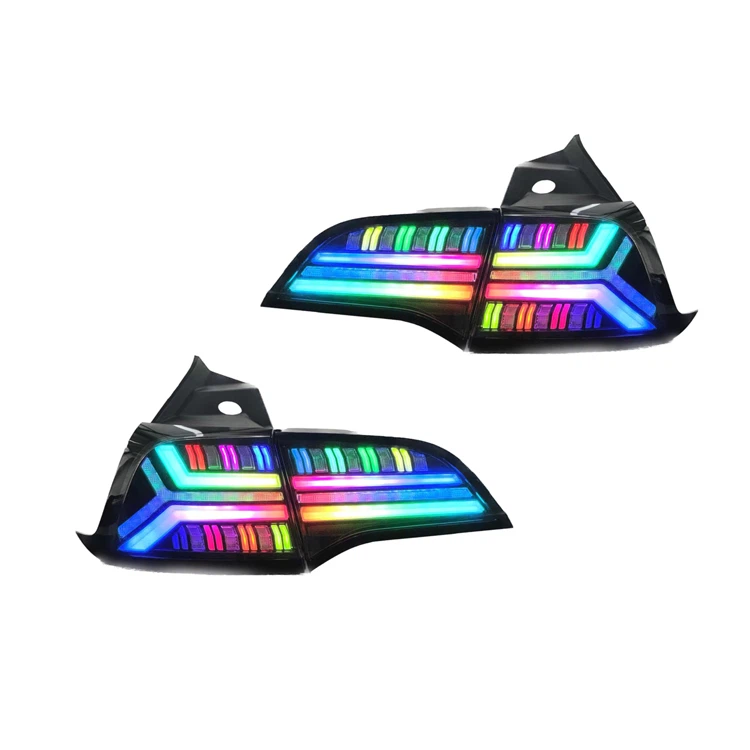
For small - scale production or when developing new headlight designs, a single - cavity mould can be used to produce high - precision parts for testing. Once the design is finalized and large - scale production is required, a multi - cavity mould can be employed to increase efficiency. You can learn more about Headlight Injection Moulding on our website.
Conclusion
In conclusion, both single - cavity and multi - cavity lamp moulds have their own advantages and disadvantages. The choice between the two depends on your production volume, budget, quality requirements, and specific application.
If you're still not sure which type of lamp mould is right for you, don't hesitate to get in touch. As a lamp mould supplier, we have the expertise and experience to help you make the best decision. Whether you need a single - cavity mould for a small - batch project or a multi - cavity mould for mass production, we can provide you with high - quality solutions.
So, if you're in the market for lamp moulds, feel free to reach out to us for a consultation. We're here to help you take your lamp production to the next level.
References
- "Injection Moulding Handbook" by Rosato, David V., and Rosato, Dominick V.
- "Plastic Injection Mould Design" by John A. Dobkowski


