

As a seasoned supplier in the bumper tool industry, I've witnessed firsthand the diverse array of bumper tools available in the market. Each type serves a unique purpose, catering to different manufacturing processes and requirements. In this blog post, I'll delve into the various types of bumper tools, shedding light on their functions, advantages, and applications.
Bumper Injection Tooling
Bumper injection tooling is a crucial component in the manufacturing of plastic bumpers. This process involves injecting molten plastic into a mold cavity, which is then cooled and solidified to form the desired bumper shape. Bumper Injection Tooling is highly precise, allowing for the production of complex geometries and intricate details.
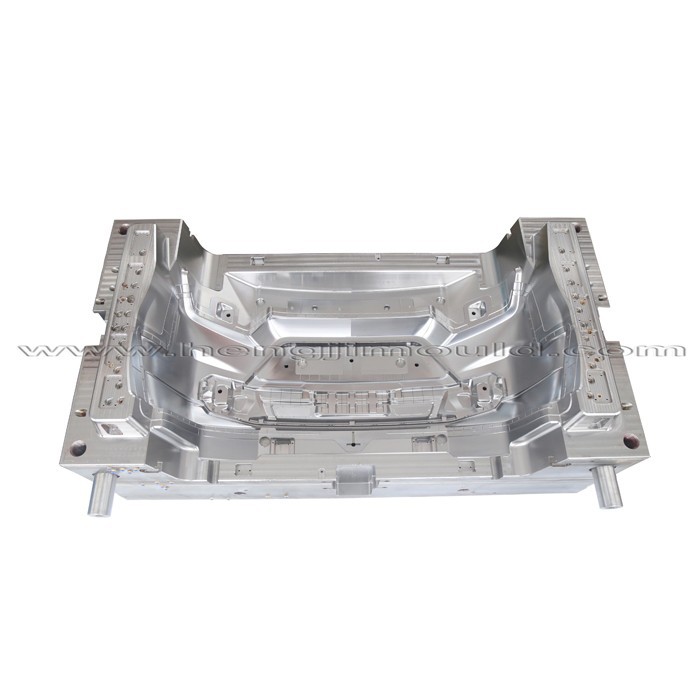

One of the key advantages of bumper injection tooling is its ability to produce high-quality, consistent parts at a large scale. The tooling can be designed to accommodate multiple cavities, enabling the simultaneous production of several bumpers in a single cycle. This significantly increases production efficiency and reduces costs.
Moreover, bumper injection tooling offers excellent surface finish and dimensional accuracy. The molds are typically made from high-quality steel or aluminum, ensuring durability and long service life. The use of advanced machining techniques and computer-aided design (CAD) software further enhances the precision and quality of the tooling.
Bumper injection tooling is widely used in the automotive industry for the production of front and rear bumpers, as well as other exterior trim components. It is also suitable for the manufacturing of bumpers for other vehicles, such as motorcycles, bicycles, and recreational vehicles.
Bumper Moulding Tool
Bumper moulding tool is another important type of bumper tool, which is used for the production of bumpers through the moulding process. This process involves shaping a preheated plastic sheet or film over a mold using heat and pressure. Bumper Moulding Tool is commonly used for the production of large, complex-shaped bumpers.
One of the main advantages of bumper moulding tool is its flexibility. It can be used to produce bumpers of various sizes, shapes, and thicknesses, making it suitable for a wide range of applications. The tooling can also be easily modified or customized to meet specific design requirements.
Another advantage of bumper moulding tool is its relatively low cost compared to injection tooling. The tooling is typically made from less expensive materials, such as fiberglass or composite materials, which reduces the initial investment. Additionally, the moulding process requires less energy and equipment, resulting in lower production costs.
Bumper moulding tool is commonly used in the automotive industry for the production of aftermarket bumpers, as well as for the customization of vehicle exteriors. It is also used in other industries, such as the aerospace, marine, and construction industries, for the production of various plastic components.
Bumper Repair Tools
In addition to manufacturing tools, there are also a variety of bumper repair tools available in the market. These tools are used to repair damaged bumpers, restoring them to their original condition. Bumper repair tools include a range of equipment, such as sanders, grinders, fillers, and paint guns.
One of the most common types of bumper repair tools is the bumper sander. This tool is used to smooth out the surface of the bumper, removing any scratches, dents, or imperfections. There are different types of sanders available, including orbital sanders, belt sanders, and palm sanders, each with its own advantages and applications.
Another important bumper repair tool is the bumper filler. This tool is used to fill in any holes, cracks, or dents in the bumper, creating a smooth and even surface. There are different types of fillers available, including polyester fillers, epoxy fillers, and urethane fillers, each with its own properties and characteristics.
Bumper paint guns are also essential for bumper repair. These tools are used to apply paint to the bumper, matching the color and finish of the original paint. There are different types of paint guns available, including gravity-fed paint guns, siphon-fed paint guns, and HVLP (high-volume, low-pressure) paint guns, each with its own advantages and applications.
Bumper repair tools are used by automotive repair shops, body shops, and DIY enthusiasts to repair damaged bumpers. They are also used by insurance companies to assess the damage and determine the cost of repair.
Bumper Testing Tools
To ensure the quality and safety of bumpers, various testing tools are used during the manufacturing and development process. These tools are designed to measure and evaluate the performance of bumpers under different conditions, such as impact, vibration, and environmental factors.
One of the most important bumper testing tools is the impact tester. This tool is used to simulate the impact of a collision, measuring the energy absorption and deformation of the bumper. There are different types of impact testers available, including pendulum impact testers, drop tower impact testers, and sled impact testers, each with its own advantages and applications.
Another important bumper testing tool is the vibration tester. This tool is used to simulate the vibration and shock that a bumper may experience during normal use, measuring the durability and fatigue resistance of the bumper. There are different types of vibration testers available, including sinusoidal vibration testers, random vibration testers, and shock testers, each with its own advantages and applications.
Environmental testing tools are also used to evaluate the performance of bumpers under different environmental conditions, such as temperature, humidity, and UV radiation. These tools are used to ensure that the bumpers can withstand the harsh conditions of real-world use, maintaining their appearance and functionality over time.
Bumper testing tools are used by automotive manufacturers, suppliers, and regulatory agencies to ensure the quality and safety of bumpers. They are also used by research institutions and universities to conduct studies and develop new bumper technologies.
Conclusion
In conclusion, there are various types of bumper tools available in the market, each serving a unique purpose and catering to different manufacturing processes and requirements. Bumper injection tooling and bumper moulding tool are used for the production of new bumpers, while bumper repair tools are used to repair damaged bumpers. Bumper testing tools are used to ensure the quality and safety of bumpers during the manufacturing and development process.
As a bumper tool supplier, I understand the importance of providing high-quality tools that meet the specific needs of my customers. Whether you're looking for a new bumper manufacturing tool, a repair tool, or a testing tool, I can offer you a wide range of options to choose from. With my expertise and experience in the industry, I can also provide you with professional advice and support to help you make the right choice.
If you're interested in learning more about our bumper tools or would like to discuss your specific requirements, please don't hesitate to contact us. We look forward to the opportunity to work with you and help you achieve your goals.
References
- Smith, J. (2019). Automotive Bumper Manufacturing Technology. New York: Wiley.
- Johnson, R. (2020). Bumper Repair and Refinishing Guide. Chicago: Goodheart-Willcox.
- Brown, A. (2021). Testing and Evaluation of Automotive Bumpers. London: SAE International.


