

Living in a humid climate can be a challenge, especially when it comes to preventing household mold. Mold not only damages your home's structure and belongings but also poses significant health risks. As a household mold supplier, I've seen firsthand the impact of mold on homes and families. In this blog, I'll share some practical tips on how to prevent household mold in a humid climate.
Understanding the Enemy: What Causes Household Mold?
Mold is a type of fungus that thrives in warm, damp, and humid conditions. It reproduces by releasing tiny spores into the air, which can settle on surfaces and grow into new mold colonies when they find the right conditions. In a humid climate, the high moisture levels in the air provide an ideal environment for mold growth. Common sources of moisture in the home include:
- Leaking pipes and roofs: Even small leaks can create a damp environment where mold can grow.
- Poor ventilation: Without proper ventilation, moisture can build up in the air and on surfaces, promoting mold growth.
- High humidity levels: Humidity levels above 60% can encourage mold growth. Bathrooms, kitchens, and basements are particularly prone to high humidity.
- Flooding and water damage: If your home has experienced flooding or water damage, it's crucial to dry the affected areas thoroughly to prevent mold growth.
Tips for Preventing Household Mold in a Humid Climate
1. Control Humidity Levels
- Use a dehumidifier: A dehumidifier is an effective way to remove excess moisture from the air. Set it to maintain a humidity level between 30% and 50%. Place the dehumidifier in areas prone to high humidity, such as basements, bathrooms, and laundry rooms.
- Ventilate your home: Proper ventilation helps to circulate fresh air and reduce humidity levels. Use exhaust fans in the bathroom and kitchen when cooking or showering to remove steam and moisture. Open windows and doors whenever possible to allow fresh air to enter your home.
- Avoid drying clothes indoors: Drying clothes indoors can add a significant amount of moisture to the air. Instead, use a clothes dryer or hang your clothes outside on a clothesline.
2. Fix Leaks and Water Damage Promptly
- Inspect your home regularly: Check for signs of leaks, such as water stains, damp spots, or mold growth. Pay special attention to areas around pipes, roofs, windows, and doors.
- Repair leaks immediately: If you find a leak, fix it as soon as possible to prevent water damage and mold growth. You may need to hire a professional plumber or contractor to repair major leaks.
- Dry wet areas thoroughly: If your home has experienced flooding or water damage, dry the affected areas within 24 to 48 hours to prevent mold growth. Use fans, dehumidifiers, and heaters to speed up the drying process.
3. Improve Ventilation
- Install exhaust fans: Exhaust fans can help to remove moisture and odors from the air. Install exhaust fans in the bathroom, kitchen, and laundry room, and make sure they are vented to the outside.
- Use a whole-house ventilation system: A whole-house ventilation system can help to circulate fresh air throughout your home and reduce humidity levels. There are several types of whole-house ventilation systems available, including mechanical ventilation systems and natural ventilation systems.
- Open windows and doors: Opening windows and doors can help to improve air circulation and reduce humidity levels. However, be careful not to open windows during periods of high humidity or when it's raining.
4. Keep Your Home Clean and Dry
- Clean regularly: Regular cleaning can help to remove dust, dirt, and debris from your home, which can provide a food source for mold. Use a damp cloth or mop to clean surfaces, and make sure to dry them thoroughly.
- Remove clutter: Clutter can prevent air circulation and create a damp environment where mold can grow. Keep your home organized and remove any unnecessary items.
- Store items properly: Store items in a dry, well-ventilated area. Avoid storing items in basements, attics, or other areas prone to high humidity.
5. Use Mold-Resistant Materials
- Choose mold-resistant building materials: When building or renovating your home, choose mold-resistant building materials, such as drywall, insulation, and paint. These materials are designed to resist mold growth and can help to prevent mold problems in the future.
- Use mold-resistant products: There are several mold-resistant products available on the market, such as mold-resistant cleaners, paints, and sealants. These products can help to prevent mold growth on surfaces and protect your home from mold damage.
Our Household Mold Products
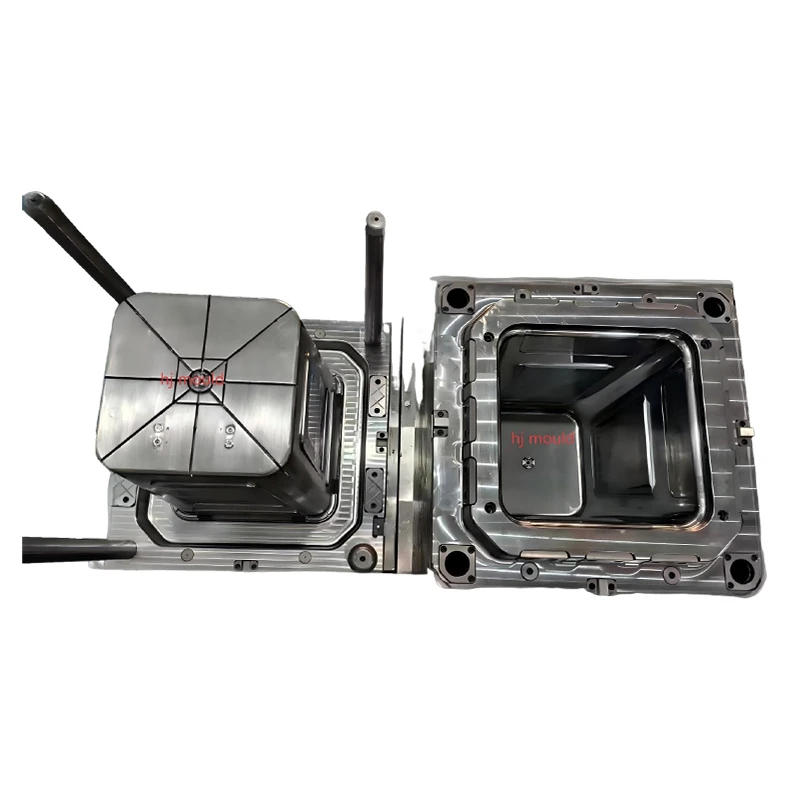
As a household mold supplier, we offer a wide range of high-quality mold products for various household applications. Our products are designed to meet the needs of homeowners and contractors in humid climates. Here are some of our popular products:
- Basket Mould: Our basket molds are made from high-quality materials and are designed to produce durable and stylish baskets. They are available in a variety of sizes and shapes to meet your specific needs.
- Chair Injection Mold: Our chair injection molds are designed to produce comfortable and stylish chairs. They are made from high-quality materials and are available in a variety of designs and colors.
- Plastic Stool Mold: Our plastic stool molds are designed to produce durable and lightweight stools. They are made from high-quality materials and are available in a variety of sizes and colors.
Conclusion
Preventing household mold in a humid climate requires a combination of proper maintenance, ventilation, and the use of mold-resistant materials. By following the tips outlined in this blog, you can reduce the risk of mold growth in your home and protect your family's health. If you have any questions or need help with mold prevention, please don't hesitate to contact us. We're here to help you keep your home mold-free.

References
- American Lung Association. (n.d.). Mold and Your Health. Retrieved from [Website URL]
- Centers for Disease Control and Prevention. (n.d.). Mold Basics. Retrieved from [Website URL]
- Environmental Protection Agency. (n.d.). A Brief Guide to Mold, Moisture, and Your Home. Retrieved from [Website URL]


