

Hey there! As a grille mould supplier, I've been in the business long enough to know that improving the biological resistance of a grille mould is super important. It can extend the lifespan of the mould, reduce maintenance costs, and ensure the quality of the products it produces. So, let's dive into how we can achieve that.
Understanding Biological Threats to Grille Moulds
First off, we need to know what we're up against. Biological threats to grille moulds mainly come from microorganisms like bacteria, fungi, and algae. These little guys can thrive in moist, warm environments, which are often present in the manufacturing process.
Bacteria can cause corrosion and degradation of the mould material over time. Fungi, on the other hand, can grow on the surface of the mould, leaving unsightly stains and even affecting the surface finish of the grille products. Algae might seem harmless at first, but they can also contribute to the deterioration of the mould if left unchecked.
Material Selection
One of the most crucial steps in improving biological resistance is choosing the right material for the grille mould. Stainless steel is a popular choice because it has good corrosion resistance and is less likely to support the growth of microorganisms. It's also relatively easy to clean and maintain.
Grille Moulding often requires high - precision moulds. For these, a high - grade stainless steel with a low carbon content can be a great option. This type of steel is more resistant to pitting and crevice corrosion, which can be entry points for bacteria and fungi.
Another option is using mould materials with built - in antimicrobial agents. These agents can inhibit the growth of microorganisms on the surface of the mould. Some manufacturers offer special polymers or composite materials that have been treated with these agents. They can be a cost - effective solution, especially for smaller grille moulds.
Surface Treatment
Surface treatment plays a huge role in enhancing biological resistance. A smooth surface is less likely to trap dirt, moisture, and microorganisms. Polishing the mould surface can reduce the roughness and make it easier to clean.
Electropolishing is a great technique for grille moulds. It not only gives the mould a smooth finish but also removes any surface impurities that could potentially harbor bacteria. This process can improve the corrosion resistance of the mould as well.
Coating the mould surface is another effective method. There are various types of coatings available, such as epoxy coatings and ceramic coatings. Epoxy coatings can provide a protective barrier against moisture and chemicals, while ceramic coatings are known for their hardness and wear resistance. They can also prevent the adhesion of microorganisms to the mould surface.
Design Considerations
The design of the grille mould can also impact its biological resistance. Avoiding sharp corners and crevices is important because these areas are more likely to collect dirt and moisture, creating ideal conditions for microorganisms to grow.
A well - designed drainage system is essential. The mould should be able to drain water quickly to prevent the formation of stagnant water, which is a breeding ground for bacteria and fungi. For Radiator Grille Mould, proper ventilation design can also help reduce humidity inside the mould, making it less hospitable for biological growth.
Maintenance and Cleaning
Regular maintenance and cleaning are non - negotiable when it comes to improving biological resistance. Establishing a cleaning schedule is a must. Use appropriate cleaning agents that are effective against microorganisms but won't damage the mould material.
For example, a mild detergent can be used for routine cleaning. For more stubborn stains or microbial growth, a disinfectant solution might be necessary. Make sure to rinse the mould thoroughly after cleaning to remove any residue.
Inspecting the mould regularly is also important. Look for signs of corrosion, discoloration, or any visible growth of microorganisms. Early detection can prevent the problem from getting worse and save you a lot of time and money in the long run.
Storage Conditions
Proper storage of the grille mould can also contribute to its biological resistance. Store the mould in a dry, well - ventilated area. Avoid storing it in areas with high humidity or where it can be exposed to direct sunlight for long periods.
If the mould is going to be stored for an extended period, consider applying a protective coating or wrapping it in a moisture - resistant material. This can prevent the growth of microorganisms during storage.
Quality Control
Implementing a strict quality control system is crucial. Test the grille moulds regularly for biological contamination. There are various testing methods available, such as swab tests and culture tests.
These tests can help you determine if there are any microorganisms present on the mould surface and what types they are. Based on the test results, you can take appropriate measures to improve the biological resistance of the mould.
Training and Education
Lastly, training your staff is important. Make sure they understand the importance of improving biological resistance and know how to handle, clean, and maintain the grille moulds properly.
Provide them with training on the correct use of cleaning agents, inspection procedures, and storage guidelines. This can ensure that everyone in the production process is on the same page and working towards improving the biological resistance of the grille moulds.
Conclusion
Improving the biological resistance of a grille mould is a multi - faceted process. It involves choosing the right material, applying appropriate surface treatments, designing the mould carefully, maintaining it regularly, storing it properly, implementing quality control measures, and training your staff.
As a grille mould supplier, I'm always looking for ways to improve the products we offer. By following these steps, we can provide our customers with high - quality grille moulds that have excellent biological resistance.

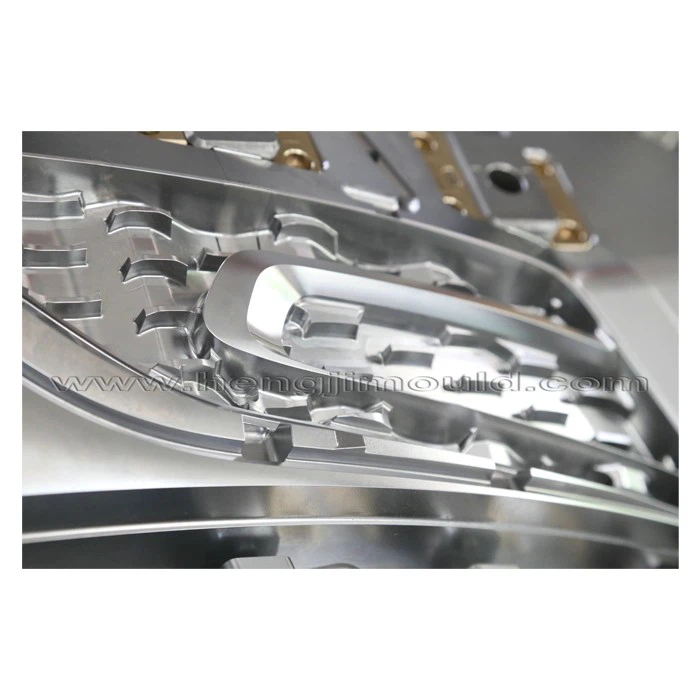
If you're in the market for Grille Mould Tool or other grille mould products, I'd love to have a chat with you. Let's discuss your specific requirements and see how we can work together to meet your needs.
References
- "Handbook of Mould Design and Manufacturing"
- "Microbiology in Industrial Environments"
- "Surface Engineering for Corrosion and Wear Resistance"


