

Can exterior molding be used on a straw bale house?
In the realm of sustainable and alternative building, straw bale houses have emerged as an eco - friendly and energy - efficient option. These houses, constructed primarily using bales of straw as the main insulation and structural component, offer a unique aesthetic and environmental benefits. As an exterior molding supplier, I often get asked whether exterior molding can be used on a straw bale house. In this blog, I will explore this question in detail, considering the practicality, benefits, and challenges of using exterior molding on straw bale houses.
Understanding Straw Bale Houses
Straw bale houses are known for their excellent insulation properties. The straw bales, when properly stacked and plastered, create a thick and effective thermal barrier. This results in reduced energy consumption for heating and cooling, making them an attractive choice for environmentally conscious homeowners. The construction process of a straw bale house typically involves building a foundation, stacking the straw bales, and then applying a plaster finish on both the interior and exterior to protect the straw and provide a smooth surface.
The Role of Exterior Molding
Exterior molding serves several important functions in traditional construction. It can enhance the aesthetic appeal of a building, adding architectural details and character. Molding can also provide protection to vulnerable areas, such as corners and edges, from weather damage and physical impact. Additionally, it can help to conceal joints and transitions between different building materials, creating a more seamless and finished look.
Compatibility with Straw Bale Houses
One of the main concerns when considering using exterior molding on a straw bale house is the compatibility of the materials. Straw bales are a relatively soft and porous material, and they require a protective finish to prevent moisture infiltration and damage. When choosing exterior molding for a straw bale house, it is crucial to select materials that are lightweight, weather - resistant, and easy to install.
There are several types of exterior molding that can be suitable for straw bale houses. For example, plastic - based moldings are a popular choice. They are lightweight, durable, and resistant to rot and insects. Our Plastic Side Skirt Trim Moulding is a great option for adding a sleek and modern look to the sides of a straw bale house. It can be easily cut to size and attached using adhesives or mechanical fasteners.
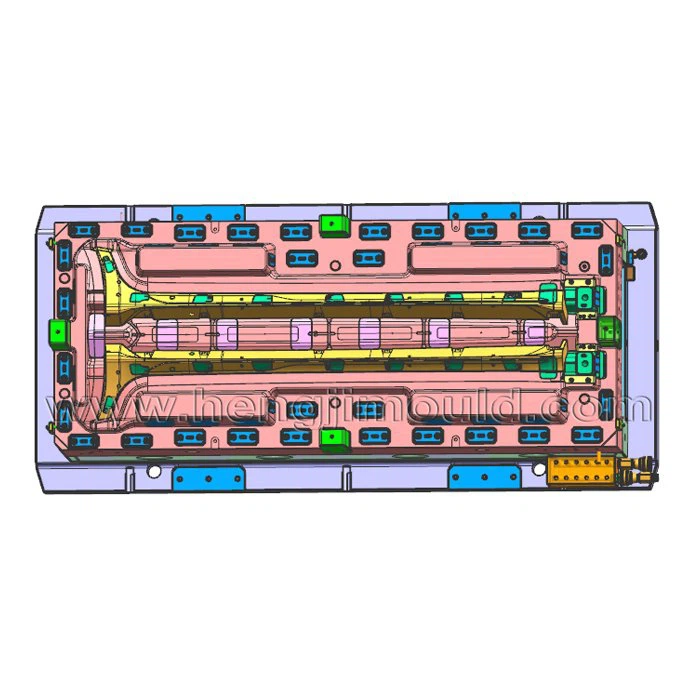

Fiber - cement moldings are another alternative. They offer the look of wood but with better durability and resistance to moisture. Fiber - cement moldings can withstand harsh weather conditions and are less likely to warp or crack compared to traditional wood moldings. This makes them a suitable choice for the exterior of a straw bale house, where long - term performance is essential.
Installation Considerations
Installing exterior molding on a straw bale house requires some special considerations. Since straw bales are not as rigid as traditional building materials like brick or wood, it is important to ensure that the molding is properly supported. One approach is to use furring strips or a secondary framing system to provide a solid base for the molding. This can help to distribute the weight of the molding evenly and prevent it from pulling away from the wall over time.
Another important factor is the attachment method. When using adhesives, it is crucial to choose a product that is specifically designed for use with the materials involved. For mechanical fasteners, such as screws or nails, it is necessary to drill pilot holes to prevent the straw bales from splitting.
Aesthetic Benefits
Using exterior molding on a straw bale house can significantly enhance its visual appeal. It can transform a simple and utilitarian structure into a more refined and architecturally interesting building. For example, adding Rear View Mirror Mould around windows and doors can create a focal point and add a touch of elegance. Similarly, Roof Molding Mould can give the roofline a more defined and finished look, complementing the overall design of the house.
Protection and Durability
In addition to aesthetics, exterior molding can provide important protection for a straw bale house. It can act as a barrier against wind - driven rain, snow, and UV radiation. By protecting the edges and corners of the house, molding can help to prevent moisture from seeping into the straw bales, which could lead to mold growth and structural damage.
Challenges and Solutions
While there are many benefits to using exterior molding on a straw bale house, there are also some challenges. One of the main challenges is the potential for moisture to become trapped between the molding and the wall. This can occur if the installation is not done properly or if the molding does not have adequate drainage. To address this issue, it is important to ensure that there is proper ventilation and drainage behind the molding. This can be achieved by leaving small gaps or using a breathable underlayment.
Another challenge is the cost. Exterior molding can add to the overall cost of the project. However, when considering the long - term benefits in terms of aesthetics, protection, and durability, the investment can be well worth it. Additionally, by choosing cost - effective materials and careful planning, it is possible to keep the costs under control.
Conclusion
In conclusion, exterior molding can be used on a straw bale house, and it offers several benefits in terms of aesthetics, protection, and durability. By choosing the right materials, following proper installation techniques, and addressing the potential challenges, homeowners can enhance the appearance and performance of their straw bale houses.
If you are considering using exterior molding for your straw bale house project, I encourage you to reach out to discuss your specific needs. As an experienced exterior molding supplier, I can provide you with expert advice, high - quality products, and support throughout the process. Whether you are looking for a modern, sleek look or a more traditional and rustic style, we have a wide range of options to suit your preferences.
References
- "Straw Bale Building: The Natural Step to Sustainable Homes" by David Bainbridge
- "Building with Straw Bales: A Comprehensive Guide" by Chris Magwood and Patrick Chura
- Industry research reports on exterior molding materials and their applications in sustainable construction.


