

Hey there! I'm an exterior molding supplier, and I often get asked some pretty interesting questions. One that's been popping up a lot lately is, "Can exterior molding be used on a cob building?" Well, let's dive right into it and find out.
First off, let's talk a bit about cob buildings. Cob is an ancient building technique that uses a mixture of clay, sand, straw, and water. It's super eco - friendly and has a unique, rustic charm. Cob buildings are known for their organic shapes and natural insulation properties. They've been around for ages, and people are really starting to appreciate their sustainable and aesthetic qualities again.
Now, onto exterior molding. Exterior molding comes in all sorts of shapes, sizes, and materials. We've got Plastic Side Skirt Trim Moulding, Roof Molding Mould, and Rear View Mirror Mould, just to name a few. It can be used for a variety of purposes, like adding decorative touches, protecting the edges of a building, or improving its overall look.
So, the big question: Can we use exterior molding on a cob building? The answer is, it depends. There are a few factors we need to consider.
Compatibility of Materials
The first thing we've gotta think about is how well the exterior molding material will work with the cob. Cob is a soft, porous material. It expands and contracts with changes in temperature and humidity. So, we need a molding material that can handle these movements without cracking or detaching.

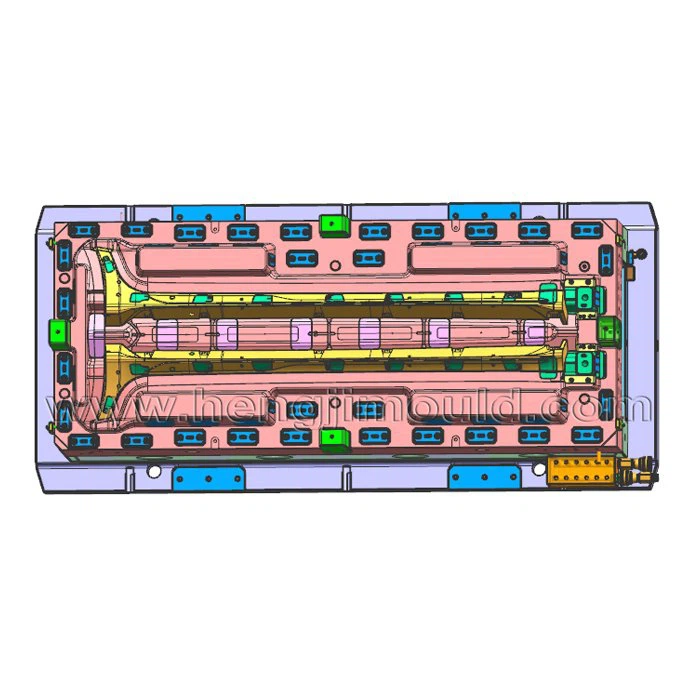
For example, some plastics are quite flexible and can adapt to the cob's natural shifts. The Plastic Side Skirt Trim Moulding might be a good option here. It's lightweight and can be easily cut and shaped to fit the unique curves of a cob building. On the other hand, more rigid materials like some types of stone or concrete molding might not be the best choice. They could crack if the cob building moves even a little bit.
Installation
Installing exterior molding on a cob building is gonna be a bit different than on a traditional brick or wood structure. Cob is soft, so we can't just nail or screw the molding on like we usually would. We need to use adhesives that are compatible with both the cob and the molding material.
Before applying the adhesive, we've got to make sure the cob surface is clean and dry. Any dirt or moisture can prevent the adhesive from bonding properly. It's also a good idea to test the adhesive on a small, inconspicuous area first to make sure it doesn't damage the cob or cause any discoloration.
Aesthetic Considerations
One of the things that makes cob buildings so cool is their natural, earthy look. When we're choosing exterior molding, we've got to make sure it complements the cob's aesthetic. We don't want to end up with a molding that looks out of place or takes away from the building's charm.
For a more rustic look, we could go for a molding with a rough texture or a natural finish. If we want to add a bit of modern flair, we could choose a sleek, minimalist molding design. The key is to find a balance between the old - world charm of the cob and the style of the molding.
Durability
Cob buildings are meant to last a long time, so the exterior molding we choose should be durable enough to keep up. It's gotta be able to withstand the elements, like rain, sun, and wind.
Plastic molding is often a good choice in terms of durability. It's resistant to rot, rust, and insect damage. The Plastic Side Skirt Trim Moulding can hold up well against the weather and still look great for years to come. However, we also need to make sure that the adhesive we use is strong enough to keep the molding in place over time.
Cost
Cost is always a factor when we're making building decisions. Exterior molding can vary widely in price depending on the material, size, and complexity of the design. When it comes to cob buildings, we've got to find a balance between quality and cost.
Plastic molding is generally more affordable than some other materials like wood or stone. It can give us a great look without breaking the bank. But we've also got to consider the long - term costs. If a cheaper molding doesn't last as long, we might end up spending more in the long run on repairs and replacements.
Maintenance
Maintenance is another important aspect. We don't want to spend a ton of time and money keeping the exterior molding on a cob building looking good.
Plastic molding is relatively low - maintenance. It can be easily cleaned with a mild soap and water. We don't have to worry about painting or staining it like we would with wood molding. And because it's resistant to damage, we're less likely to have to make frequent repairs.
Potential Benefits
Using exterior molding on a cob building can actually bring some great benefits. For one, it can protect the cob from damage. The edges of a cob building are vulnerable to wear and tear, especially in high - traffic areas or where it's exposed to the elements. Molding can act as a barrier, preventing the cob from chipping or eroding.
It can also improve the energy efficiency of the building. Some types of molding can help seal gaps and cracks, reducing air leakage and keeping the interior of the building warmer in the winter and cooler in the summer.
Conclusion
So, to sum it all up, yes, exterior molding can be used on a cob building, but we've got to be careful. We need to choose the right material, install it properly, and make sure it fits the building's aesthetic and durability needs.
If you're thinking about adding exterior molding to your cob building, I'd be more than happy to help. As an exterior molding supplier, I've got a wide range of products to choose from, and I can offer advice on the best options for your specific situation. Whether you're looking for Plastic Side Skirt Trim Moulding, Roof Molding Mould, or Rear View Mirror Mould, I can guide you through the selection and installation process.
If you're interested in learning more or discussing your project in detail, don't hesitate to reach out. Let's work together to make your cob building look even better with the perfect exterior molding!
References
- "Cob Building: The Definitive Guide" by Ianto Evans and Linda Smiley
- "Exterior Molding Handbook" by a leading industry expert


