

As a seasoned bumper tool supplier, I've received numerous inquiries regarding the feasibility of using our bumper tools to repair bumpers with surface cracks. This blog post aims to delve into this topic comprehensively, providing you with scientific and practical insights.
Understanding Surface Cracks in Bumpers
Before we discuss the repair process, it's essential to understand what causes surface cracks in bumpers. Bumpers are typically made of plastic materials, such as polypropylene or polyurethane. These materials are chosen for their durability, flexibility, and ability to absorb impact. However, over time, exposure to various environmental factors can cause the plastic to degrade, leading to surface cracks.
One of the primary causes of surface cracks is UV radiation. Prolonged exposure to sunlight can break down the chemical bonds in the plastic, making it brittle and prone to cracking. Extreme temperatures can also play a role. In cold weather, the plastic becomes more rigid, increasing the risk of cracking when subjected to minor impacts. Additionally, physical damage from collisions, scratches, or abrasions can initiate surface cracks.
How Bumper Tools Work
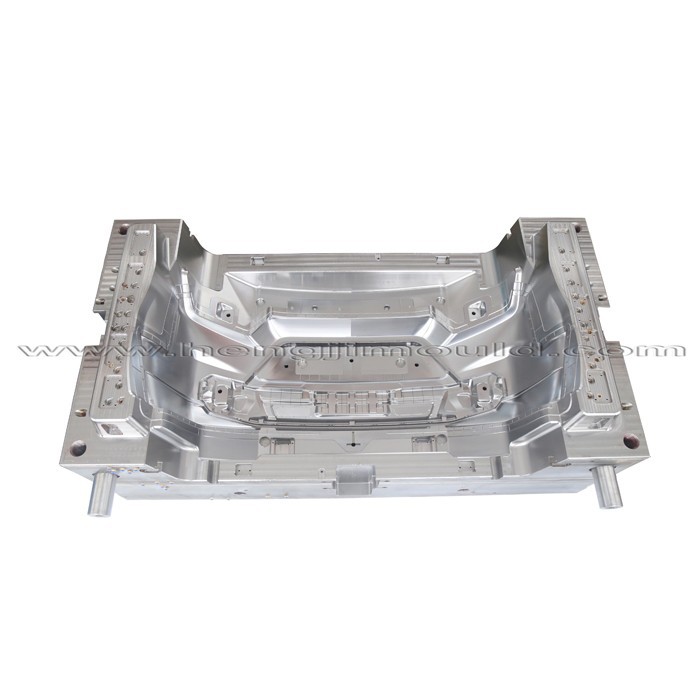
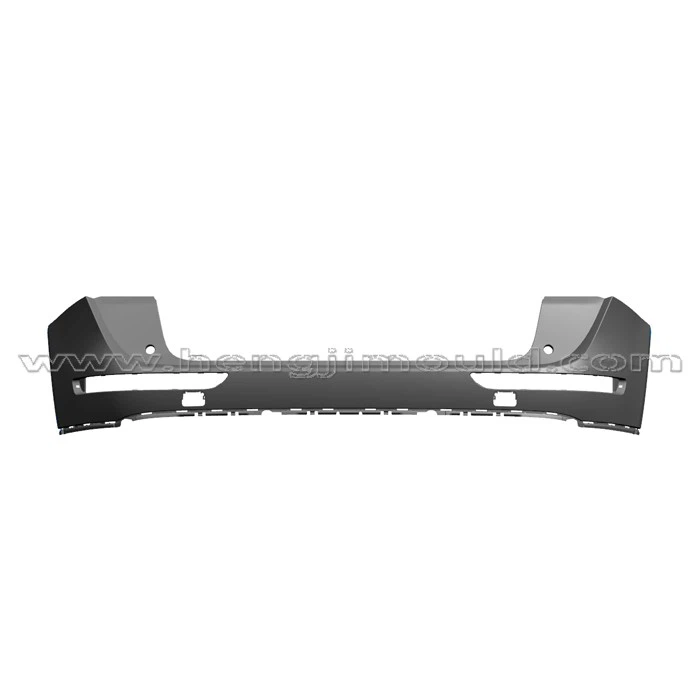
Our company offers a range of high - quality bumper tools, including Bumper Injection Tooling and Bumper Moulding Tool. These tools are designed to address different aspects of bumper repair and manufacturing.
Bumper Injection Tooling is used to create new bumpers or replace damaged sections of a bumper. It involves injecting molten plastic into a mold to form the desired shape. This process is highly precise and can produce bumpers with consistent quality. On the other hand, Bumper Moulding Tool is used for shaping and finishing the bumper. It can be used to smooth out rough edges, add decorative elements, or repair minor surface imperfections.
Can Bumper Tools Repair Surface Cracks?
The answer is yes, in many cases. The effectiveness of the repair depends on several factors, such as the severity of the crack, the type of plastic used in the bumper, and the specific bumper tool employed.
Minor Surface Cracks
For minor surface cracks, our Bumper Moulding Tool can be an excellent solution. The tool can be used to heat and reshape the plastic around the crack, effectively fusing the edges together. This process is similar to welding, but it is done at a lower temperature to avoid damaging the surrounding plastic. After reshaping, the area can be sanded and painted to match the rest of the bumper.
Moderate Surface Cracks
In the case of moderate surface cracks, Bumper Injection Tooling can be used in combination with the Bumper Moulding Tool. First, the damaged area is removed, and a new section of plastic is injected using the injection tooling. Then, the Bumper Moulding Tool is used to blend the new section with the existing bumper, ensuring a seamless finish.
Severe Surface Cracks
However, if the crack is too deep or extensive, it may not be possible to repair the bumper using our tools alone. In such cases, it may be necessary to replace the entire bumper. Our Bumper Injection Tooling can be used to produce a new bumper that meets the original specifications.
The Repair Process Step - by - Step
Let's take a closer look at the repair process for a bumper with a surface crack using our tools:
Step 1: Inspection
The first step is to thoroughly inspect the crack. Determine its length, depth, and location on the bumper. This will help you decide which tool is most appropriate for the repair.
Step 2: Preparation
Clean the area around the crack to remove any dirt, debris, or paint. This will ensure better adhesion during the repair process. Use sandpaper to roughen the surface slightly, which will also improve the bond between the new and existing plastic.
Step 3: Repair
If it's a minor crack, use the Bumper Moulding Tool to heat and reshape the plastic. Apply gentle pressure to fuse the edges of the crack together. For moderate cracks, use the Bumper Injection Tooling to inject new plastic into the damaged area. Follow the manufacturer's instructions carefully to ensure proper injection.
Step 4: Finishing
After the repair is complete, use the Bumper Moulding Tool to smooth out the surface and blend the repaired area with the rest of the bumper. Sand the area to a smooth finish and apply primer and paint to match the color of the vehicle.
Advantages of Using Our Bumper Tools for Repair
- Cost - Effective: Repairing a bumper with surface cracks using our tools is often more cost - effective than replacing the entire bumper. This can save you a significant amount of money, especially for minor to moderate damage.
- Quality Assurance: Our tools are designed and manufactured to the highest standards, ensuring a high - quality repair. The repaired bumper will have similar strength and durability to the original.
- Customization: Our tools allow for a certain degree of customization. You can choose the type of plastic and the color of the paint to match your vehicle's specific requirements.
Conclusion
In conclusion, our bumper tools, including Bumper Injection Tooling and Bumper Moulding Tool, can be effectively used to repair bumpers with surface cracks in many cases. Whether it's a minor crack that can be fixed with the Bumper Moulding Tool or a more moderate crack that requires the use of Bumper Injection Tooling, our products offer a reliable and cost - effective solution.
If you are interested in purchasing our bumper tools for your repair needs or have any questions about our products, we encourage you to contact us for further discussion. We are committed to providing you with the best tools and support to ensure successful bumper repairs.
References
- Plastics in Automotive Applications: A Review. Journal of Automotive Engineering.
- Repair and Refinishing of Plastic Bumpers. Automotive Body Repair Magazine.


