

Hey there! As a supplier of door trim mould, I've been getting a bunch of questions about the installation process for door trim mould on a double door. So, I thought I'd put together this blog post to walk you through it step by step.
Understanding Door Trim Mould
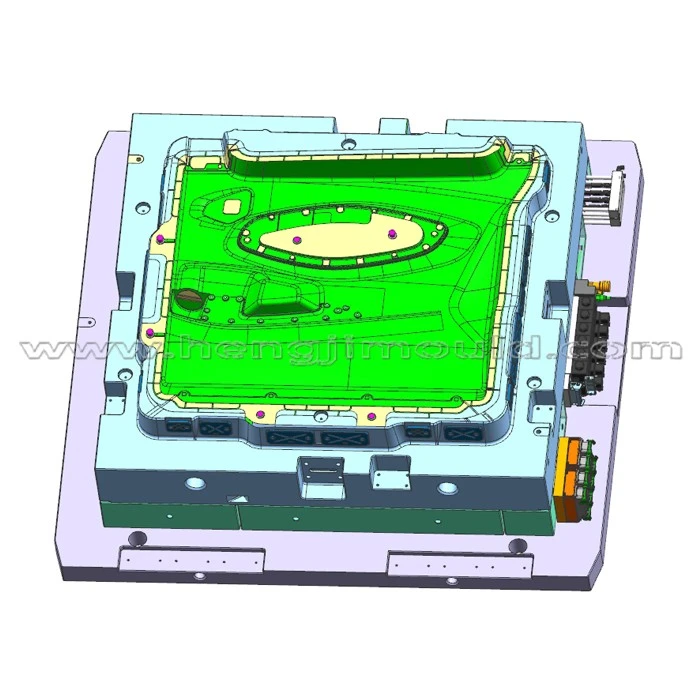
Before we dive into the installation, let's quickly talk about what door trim mould is. Door trim mould is basically a decorative piece that's used to frame the edges of a door. It not only adds a touch of style to your doors but also helps to protect the edges from damage. There are different types of door trim moulds out there, like the Door Trim Injection Mould, Door Panel Trim Mould, and Door Panel Injection Mould. Each type has its own unique features and benefits, but the installation process is pretty similar across the board.

Tools and Materials You'll Need
To install door trim mould on a double door, you'll need the following tools and materials:
- Door trim mould: Make sure you have the right size and style of mould for your double door. You can choose from a variety of materials, such as wood, PVC, or MDF.
- Measuring tape: You'll need this to measure the length and width of the door and the mould.
- Miter saw or hand saw: This is used to cut the mould at the correct angles.
- Nail gun or hammer and nails: You'll use this to attach the mould to the door.
- Caulk gun and caulk: This is used to fill in any gaps between the mould and the door.
- Sandpaper: You'll need this to smooth out any rough edges on the mould.
- Paint or stain: This is optional, but it can help to enhance the appearance of the mould.
Step-by-Step Installation Process
Step 1: Measure the Door
The first step is to measure the length and width of the double door. Use a measuring tape to get accurate measurements. Make sure to measure the top, bottom, and sides of the door. Write down these measurements so you can use them later.
Step 2: Cut the Mould
Once you have the measurements, it's time to cut the mould. Use a miter saw or hand saw to cut the mould at a 45-degree angle. Make sure to cut the mould to the correct length for each side of the door. You can use a miter box to help you make accurate cuts.
Step 3: Test Fit the Mould
Before you attach the mould to the door, it's a good idea to test fit it. Place the cut pieces of mould around the edges of the door to make sure they fit properly. Check for any gaps or unevenness. If you need to make any adjustments, use a saw or sandpaper to trim the mould.
Step 4: Attach the Mould
Once you're satisfied with the test fit, it's time to attach the mould to the door. Use a nail gun or hammer and nails to secure the mould to the door. Make sure to space the nails evenly along the length of the mould. Start at the top of the door and work your way down.
Step 5: Fill in the Gaps
After you've attached the mould to the door, there may be some gaps between the mould and the door. Use a caulk gun and caulk to fill in these gaps. Smooth out the caulk with a putty knife or your finger. Let the caulk dry completely before moving on to the next step.
Step 6: Sand the Mould
Once the caulk is dry, use sandpaper to smooth out any rough edges on the mould. This will help to give the mould a professional finish. You can use a fine-grit sandpaper to sand the mould gently.
Step 7: Paint or Stain the Mould (Optional)
If you want to enhance the appearance of the mould, you can paint or stain it. Choose a paint or stain that matches the color of your door or the decor of your room. Apply the paint or stain evenly to the mould using a brush or roller. Let the paint or stain dry completely before using the door.
Tips and Tricks
- Take your time: Installing door trim mould on a double door can be a time-consuming process, but it's important to take your time and do it right. Rushing through the installation can lead to mistakes and a less-than-perfect finish.
- Use a level: When attaching the mould to the door, use a level to make sure it's straight. This will help to ensure that the mould looks professional and even.
- Be careful when cutting the mould: Cutting the mould at a 45-degree angle can be tricky, so be careful when using a saw. Make sure to wear safety glasses and follow the manufacturer's instructions.
- Fill in the nail holes: After you've attached the mould to the door, there will be nail holes in the mould. Use wood filler to fill in these holes. Let the wood filler dry completely before sanding and painting the mould.
Conclusion
Installing door trim mould on a double door is a great way to add style and protection to your doors. By following these steps and tips, you can install the mould yourself and save money on installation costs. If you have any questions or need further assistance, don't hesitate to reach out. We're here to help you with all your door trim mould needs. Whether you're a DIY enthusiast or a professional contractor, we've got the right products and expertise to make your project a success. So, if you're interested in purchasing door trim mould, feel free to contact us to discuss your requirements and get a quote.
References
- Woodworking magazines and books
- Online tutorials and videos on door trim installation


