
Hey there! If you're in the construction, interior design, or even DIY home improvement scene, you've probably heard of door trim mould. But what exactly is it, and why should you care? Well, stick around, 'cause I'm gonna break it all down for you. And just so you know, I'm part of a door trim mould supplier, so I've got the inside scoop.
Let's start with the basics. Door trim mould, in simple terms, is the decorative and functional element that frames a door. It's the stuff that gives your door that finished, polished look. It's like the icing on a cake - sure, the cake is good on its own, but the icing just takes it to the next level.
There are different types of door trim mould, and each serves a different purpose and has its own unique style. One of the most common types is Door Trim Molding. This is the trim that goes around the perimeter of the door frame. It helps to cover up any gaps between the wall and the door frame, which not only looks better but also helps with insulation. You don't want those drafts sneaking in, right?
Door trim molding comes in a variety of profiles and sizes. You've got the classic ogee profile, which has that nice, curved, S-shape. It gives a really elegant and traditional look to the door. Then there's the bead profile, which has small, rounded beads along the edge. It's a bit more understated but still adds a touch of charm. And if you're going for a modern look, you might choose a simple flat profile. It gives a clean, minimalist appearance.
Another important type is Door Panel Molding. This is the trim that is used on the surface of the door panels themselves. It can add texture and dimension to the door. For example, if you have a flat-panel door, adding door panel molding can make it look more interesting and custom. You can create different patterns with the molding, like a grid or a diamond shape. It's a great way to personalize your door without having to replace the whole thing.
Then there's Door Panel Mould. This is the actual mold used to create the door panels. It's a crucial part of the manufacturing process. The mould determines the shape, size, and design of the door panel. Door panel moulds can be made from different materials, such as wood, plastic, or metal. The choice of material depends on the type of door panel you're making and the production volume.
Now, let's talk about why door trim mould is so important. First of all, it's all about the aesthetics. A well-done door trim can really enhance the look of your room. It can make a plain door look like a work of art. Whether you're going for a traditional, Victorian look with elaborate, detailed trim or a modern, sleek look with simple lines, the right door trim can set the tone for the whole space.
Secondly, it has practical benefits. As I mentioned earlier, it helps with insulation. By covering up the gaps around the door frame, it can prevent heat from escaping in the winter and cool air from leaking out in the summer. This can save you some money on your energy bills in the long run. It also protects the edges of the door and the door frame from damage. If you have pets or kids running around, those door edges can take a beating. The trim acts as a buffer, absorbing some of the impact and keeping your doors looking good for longer.
If you're a builder or an interior designer, door trim mould can also be a great selling point. A room with beautifully finished doors and trim looks more high-end and professional. It can increase the value of a property, whether it's a residential home or a commercial building.
So, how do you choose the right door trim mould for your project? Well, it depends on a few factors. First, consider the style of your home or the space where the door is located. If it's a historical property, you might want to stick with traditional styles of trim that are in keeping with the era. If it's a new, modern build, you can be more creative and go for contemporary designs.
Next, think about the material. Wood is a popular choice because it's natural and can be stained or painted to match any color scheme. It also has a warm, inviting look. But if you're in a high-moisture area, like a bathroom or a basement, you might want to consider a more moisture-resistant material like PVC or fiberglass.
You also need to think about the size and profile of the trim. A larger, more elaborate profile can make a statement, but it might not work in a small, cramped space. A smaller, more subtle profile can be a better fit for a more intimate setting.

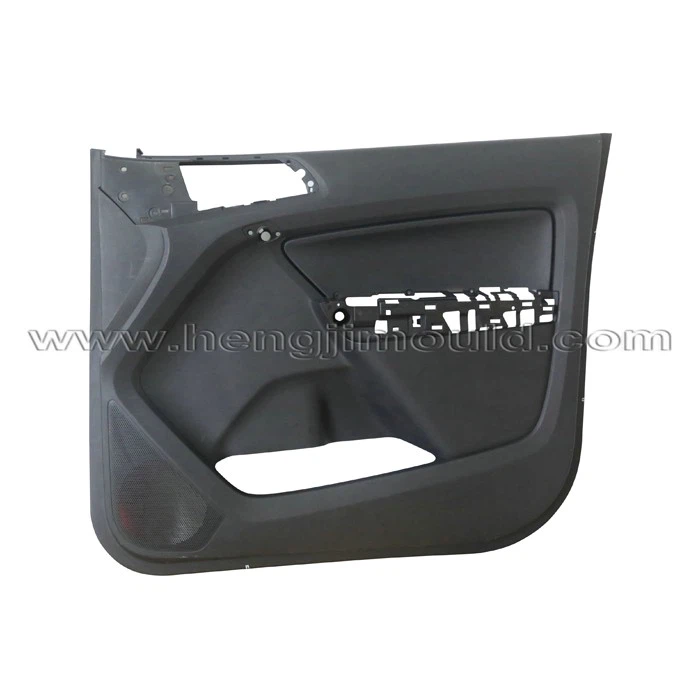
As a door trim mould supplier, we have a wide range of options to choose from. Whether you're looking for a simple, budget-friendly option or a high-end, custom design, we've got you covered. We can help you find the perfect door trim mould for your project, no matter how big or small.
If you're interested in our products or have any questions about door trim mould, don't hesitate to reach out. We're more than happy to have a chat with you, discuss your needs, and give you a quote. Whether you're a contractor working on a large-scale project, an interior designer with a high-end client, or a DIY enthusiast looking to spruce up your home, we're here to assist you. So, let's connect and start creating the perfect door look for your space!
References:
- General knowledge from the construction and interior design industry
- Experience as a door trim mould supplier