

Hey there! As a supplier of door trim moulds, I often get asked a bunch of questions from customers. One of the most common ones is, "Is door trim mould waterproof?" Well, let's dig into this topic and find out the real deal.
First off, let's understand what door trim moulds are. Door trim moulds are used to create those nice - looking trims around doors. They can add a touch of elegance and style to any interior or exterior door. There are different types, like [Door Panel Plastic Mould](/interior - trim - mould/door - trim - mould/door - panel - plastic - mould.html), [Door Panel Trim Mould](/interior - trim - mould/door - trim - mould/door - panel - trim - mould.html), and [Door Trim Molding](/interior - trim - mould/door - trim - mould/door - trim - molding.html). These moulds are used to produce trims made from various materials, such as plastic, wood, and composite materials.
Now, let's talk about waterproofing. Whether a door trim mould is waterproof depends a lot on the material it's made of.
Plastic Door Trim Moulds
Plastic is a popular choice for door trim moulds. Most plastics have a natural resistance to water. They don't absorb water like wood does, which means they won't swell, rot, or warp when exposed to moisture. For example, PVC (Polyvinyl Chloride) is a commonly used plastic in door trim moulds. It's quite waterproof and can withstand exposure to rain, humidity, and even some spills.
However, it's important to note that just because the plastic is waterproof doesn't mean the finished trim will be 100% water - proof in all situations. If there are gaps or seams in the installation of the trim, water can seep behind it and cause problems. Also, extreme temperatures can affect the integrity of the plastic over time. In very cold weather, plastic can become brittle and crack, which might allow water to penetrate.
Wood Door Trim Moulds
Wooden door trim moulds give a classic and warm look to doors. But when it comes to waterproofing, wood is a bit of a challenge. Wood is a porous material, which means it can absorb water. When wood absorbs water, it can swell, warp, and eventually rot.
To make wood door trim more waterproof, it usually needs to be treated. This can involve applying a waterproof sealant, paint, or varnish. These treatments create a barrier on the surface of the wood, preventing water from getting in. But even with these treatments, wood trim is still more vulnerable to water damage compared to plastic. If the sealant wears off or gets damaged, water can start to penetrate the wood.
Composite Door Trim Moulds
Composite materials are a combination of different substances, often including wood fibers and plastic. They try to combine the best of both worlds. Composite door trim moulds are generally more water - resistant than wood. The plastic component in the composite helps to reduce water absorption, while the wood fibers give it a more natural look and feel.
However, like plastic, composite materials can also be affected by extreme conditions. Over time, exposure to sunlight, heat, and moisture can cause the composite to degrade, and its waterproofing properties may diminish.
Testing the Waterproofness of Door Trim Moulds
At our company, we take the waterproofness of our door trim moulds seriously. We conduct various tests to ensure that our products meet certain standards. For plastic moulds, we might submerge samples in water for a certain period and check for any signs of water absorption or damage. For wood and composite moulds, we test the effectiveness of the waterproofing treatments.
We also take into account real - world scenarios. For example, we consider how the trim will be installed and the environment it will be in. If it's going to be used in a bathroom or a coastal area with high humidity, we'll recommend more waterproof options.
Maintenance for Waterproofing
Even if you have a waterproof door trim mould, proper maintenance is key to keeping it that way. For plastic trims, regular cleaning can help remove dirt and debris that might trap moisture. You should also check for any cracks or damage and repair them as soon as possible.
For wood trims, you need to re - apply the waterproofing treatments periodically. This might mean sanding the surface and then applying a new coat of sealant or paint every few years. Composite trims also benefit from regular cleaning and inspection to make sure the waterproofing properties are still intact.
So, Is Door Trim Mould Waterproof?
The answer is, it depends. Plastic door trim moulds are generally the most waterproof, but they still have their limitations. Wood door trim moulds need extra treatment to be somewhat waterproof, and composite door trim moulds offer a middle - ground solution.
If you're looking for a door trim mould for an area with high moisture, like a bathroom or an exterior door, I'd recommend plastic or well - treated composite options. But if you really love the look of wood and don't mind the extra maintenance, you can go for a well - sealed wooden trim.
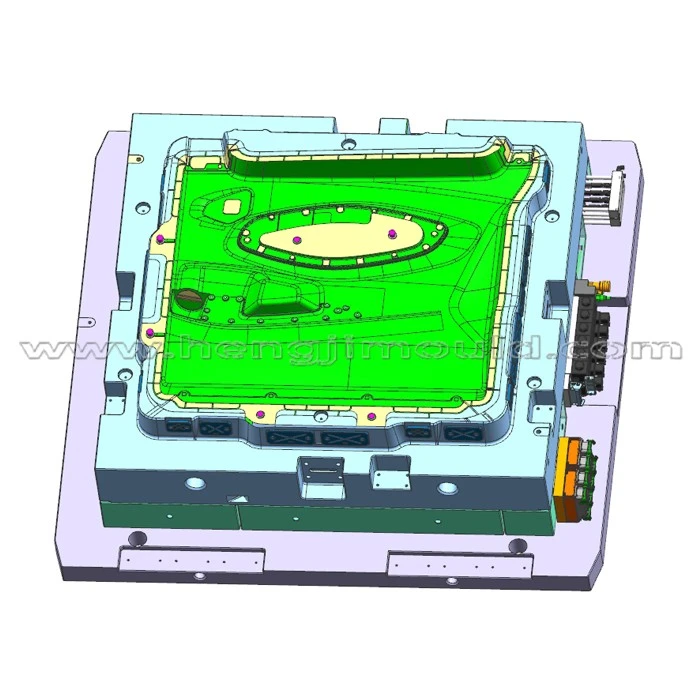

We're here to help you make the right choice. Whether you need a [Door Panel Plastic Mould](/interior - trim - mould/door - trim - mould/door - panel - plastic - mould.html), [Door Panel Trim Mould](/interior - trim - mould/door - trim - mould/door - panel - trim - mould.html), or [Door Trim Molding](/interior - trim - mould/door - trim - mould/door - trim - molding.html), we have a wide range of options to suit your needs. If you're interested in purchasing our door trim moulds or have more questions about waterproofing and our products, feel free to reach out. We're always happy to have a chat and help you find the perfect solution for your project.
References
- "Building Materials Handbook" by Irving K. Finn
- "Plastic Materials and Their Applications" by Brian M. Walker
- "Wood Technology: Principles and Applications" by Bruce Hoadley


