

Can a lamp mould be used for metal lamps? This is a question that often arises in the lighting industry, and as a lamp mould supplier, I'm here to shed some light on this topic.
Understanding Lamp Moulds
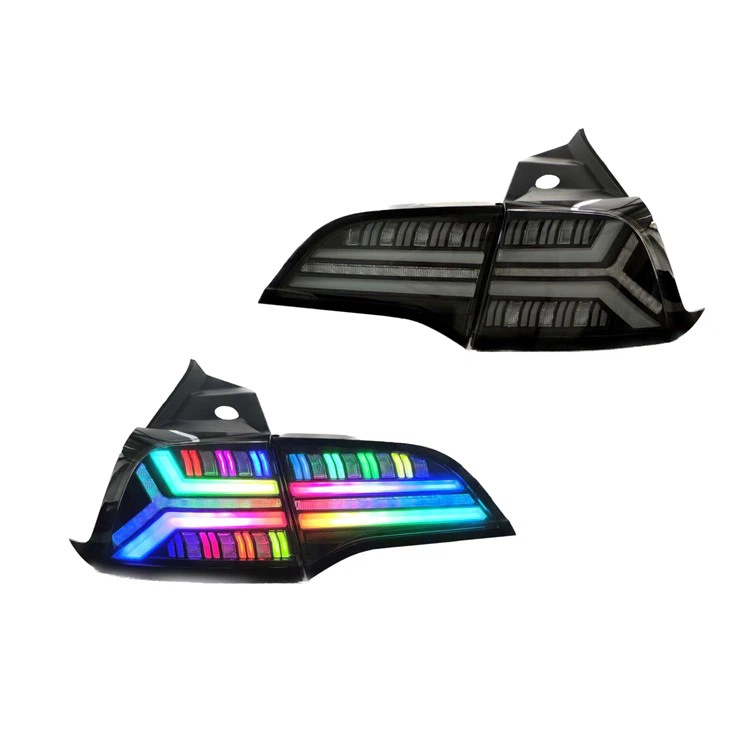
Before delving into whether a lamp mould can be used for metal lamps, it's essential to understand what lamp moulds are. Lamp moulds are tools used in the manufacturing process to shape various types of lamps. They are typically made from materials like steel or aluminum and are designed with high precision to ensure the accurate replication of the lamp's shape. There are different types of lamp moulds, such as Headlight Mould, Lamp Injection Moulding, and Multi - color Tail Light Mould. These moulds are used in different manufacturing processes, including injection moulding, which is commonly used for plastic lamps.
The Manufacturing Process of Metal Lamps
Metal lamps are usually made through processes like casting, forging, or machining. Casting involves pouring molten metal into a mould, allowing it to cool and solidify into the desired shape. Forging, on the other hand, uses compressive forces to shape the metal, while machining removes material from a metal block to create the lamp's form.
Compatibility of Lamp Moulds with Metal Lamps
Material Considerations
The first aspect to consider is the material of the lamp mould. Most lamp moulds are designed for use with plastics or other non - metal materials. Metal has much higher melting points and different flow characteristics compared to plastics. For example, the temperature at which common metals like aluminum or brass melt is significantly higher than the melting points of plastics used in lamp manufacturing. A lamp mould designed for plastic may not be able to withstand the high temperatures required for metal casting. The mould material could warp, crack, or lose its shape, leading to defective metal lamps.
Design and Precision
Lamp moulds for non - metal lamps are often designed with features that are specific to the properties of plastics. For instance, they may have gates and runners that are optimized for the flow of molten plastic. The design of these gates and runners may not be suitable for the flow of molten metal. Metal has different viscosity and surface tension properties, which means that a mould designed for plastic may not allow the metal to fill the mould cavity evenly. This can result in incomplete filling, air pockets, or other defects in the metal lamp.
Surface Finish
The surface finish requirements for metal lamps and non - metal lamps can also differ. Metal lamps often require a smooth, polished surface finish, which may be difficult to achieve using a lamp mould designed for plastics. The texture and porosity of the mould surface can transfer to the metal lamp, affecting its appearance and quality.
Exceptions and Adaptations
However, there are cases where a lamp mould can be adapted for use with metal lamps. If the lamp mould is made from a high - temperature - resistant material such as certain types of tool steel, it may be possible to use it for low - melting - point metals like pewter or some alloys. In addition, with proper modifications to the mould design, such as adjusting the gate and runner system, it may be possible to improve the flow of molten metal. Some advanced manufacturing techniques, like using coatings on the mould surface, can also help to improve the surface finish of the metal lamp and protect the mould from the high temperatures of the metal.
Benefits of Using a Lamp Mould for Metal Lamps (if possible)
If a lamp mould can be successfully used for metal lamps, there are several benefits. Firstly, it can save on the cost of tooling. Instead of investing in a completely new set of moulds for metal lamps, using an existing lamp mould can reduce upfront costs. Secondly, it can speed up the production process. If the company already has experience with a particular lamp mould design, it can quickly adapt the process for metal lamp production, reducing the time to market.

Challenges and Risks
Despite the potential benefits, there are also significant challenges and risks. As mentioned earlier, the high temperatures of molten metal can damage the lamp mould, leading to increased maintenance costs and a shorter lifespan of the mould. There is also a risk of producing defective metal lamps, which can result in wasted materials and production time.
Conclusion
In conclusion, while it is generally challenging to use a lamp mould designed for non - metal lamps for metal lamps due to differences in material properties, design requirements, and surface finish, there are exceptions and possibilities for adaptation. With careful consideration of the mould material, design modifications, and the type of metal used, it may be feasible to use a lamp mould for metal lamps.
If you're interested in exploring the possibility of using lamp moulds for your metal lamp production, or if you have any questions about our lamp moulds, we're here to help. Our team of experts can provide in - depth consultations and solutions tailored to your specific needs. Whether you're looking for Headlight Mould, Lamp Injection Moulding, or Multi - color Tail Light Mould, we have a wide range of high - quality products. Contact us to start a discussion about your lamp mould requirements and let's work together to find the best solutions for your manufacturing processes.
References
- Smith, J. (2018). Lighting Manufacturing Processes. Industrial Publishing.
- Brown, A. (2019). Mould Design for Different Materials. Manufacturing Journal.
- Green, C. (2020). Surface Finish in Metal and Non - Metal Lamps. Lighting Technology Review.


