

As a seasoned supplier of headlight moulds, I often encounter a recurring question from clients: Can a headlight mould be used for different types of headlights? This query is not only valid but also crucial for businesses looking to optimize their production processes and minimize costs. In this blog post, I will delve into this topic, exploring the possibilities and limitations of using a single headlight mould for various headlight designs.
Understanding Headlight Moulds
Before we address the question at hand, it's essential to understand what a headlight mould is and how it functions. A headlight mould is a precision tool used in the manufacturing process of headlights. It is typically made from high - quality steel or aluminum and is designed to shape the plastic or glass components of the headlight. The moulding process, often Lamp Injection Moulding, involves injecting molten material into the mould cavity under high pressure. Once the material cools and solidifies, it takes the shape of the mould, resulting in a finished headlight component.
Factors Affecting the Reusability of Headlight Moulds
Several factors determine whether a headlight mould can be used for different types of headlights. These factors can be broadly categorized into design, material, and production requirements.
Design Considerations
- Shape and Size: Headlights come in a wide variety of shapes and sizes, from the sleek and aerodynamic designs of modern sports cars to the more traditional rectangular or oval shapes of sedans. A mould designed for a specific shape and size will not be suitable for a headlight with a significantly different geometry. For example, a mould for a small, round headlight will not be able to produce a large, rectangular one.
- Complexity of Design: Some headlights feature intricate designs, such as multiple lenses, reflectors, or decorative elements. These complex designs require highly specialized moulds. A mould designed for a simple, single - lens headlight will not be able to replicate the features of a more complex multi - lens design.
Material Compatibility
- Type of Material: Headlights can be made from different materials, including polycarbonate, acrylic, and glass. Each material has its own unique properties, such as melting point, viscosity, and shrinkage rate. A mould designed for a specific material may not be compatible with a different material. For instance, a mould designed for polycarbonate may not work well with glass due to the differences in their processing temperatures and flow characteristics.
- Material Thickness: The thickness of the headlight material also plays a role in mould compatibility. A mould designed for a thin - walled headlight may not be suitable for a thick - walled one, as the cooling and solidification times will be different.
Production Requirements
- Volume and Batch Size: If you are producing a large volume of a single type of headlight, it may be more cost - effective to use a dedicated mould. However, if you are producing small batches of different types of headlights, you may consider using a more flexible moulding solution.
- Quality and Precision: Different types of headlights may have different quality and precision requirements. A mould that can produce high - precision headlights for luxury cars may not be necessary for a more basic, economy - class vehicle.
Possibilities of Using a Single Mould for Different Headlights
Despite the challenges mentioned above, there are some scenarios where a single headlight mould can be used for different types of headlights.
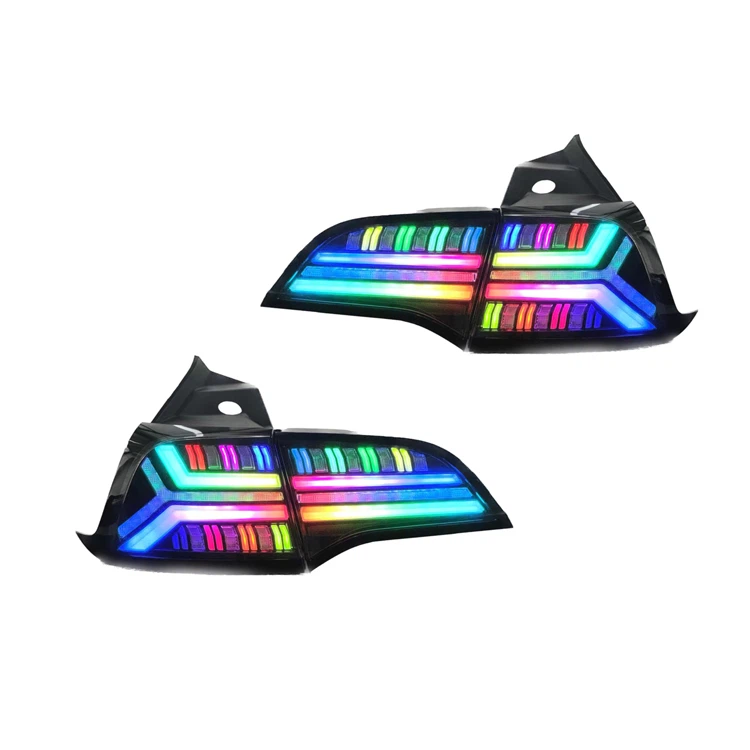

Minor Design Modifications
- Cosmetic Changes: In some cases, a headlight may undergo minor cosmetic changes, such as a different color or a new surface finish. These changes can often be achieved without modifying the mould significantly. For example, a clear headlight can be painted or coated to create a smoked or tinted effect.
- Adjustable Mould Features: Some advanced moulds are designed with adjustable features, such as movable inserts or slides. These features allow for minor changes in the shape or size of the headlight without the need for a completely new mould.
Similar Design Families
- Platform - Based Design: Many automotive manufacturers use a platform - based design approach, where multiple vehicle models share the same basic platform. This often results in headlights that have similar shapes and sizes. In such cases, a single mould can be used with minor modifications to produce headlights for different models within the same platform.
Limitations and Challenges
While there are some possibilities of using a single mould for different headlights, there are also significant limitations and challenges.
Cost of Modification
- Tooling Changes: Modifying a mould to accommodate different headlight designs can be expensive. It may involve machining new cavities, inserts, or cores, which can add to the overall cost of production.
- Testing and Validation: After modifying a mould, it is necessary to conduct extensive testing and validation to ensure that the new headlight meets the required quality and performance standards. This can also be time - consuming and costly.
Quality and Performance
- Compromised Quality: Using a single mould for different headlights may result in compromised quality. The mould may not be optimized for each specific design, leading to issues such as poor surface finish, dimensional inaccuracies, or reduced durability.
- Performance Variations: Different headlight designs may have different performance requirements, such as light distribution and beam pattern. A mould that is not specifically designed for a particular headlight may not be able to produce a headlight that meets these performance criteria.
Conclusion
In conclusion, while it is possible to use a single headlight mould for different types of headlights in some cases, it is not a one - size - fits - all solution. The decision to use a single mould or multiple dedicated moulds depends on various factors, including design, material, and production requirements. As a Headlight Mould supplier, we understand the complexities involved in headlight manufacturing and can provide customized solutions to meet your specific needs.
If you are in the market for headlight moulds or have questions about using a single mould for different types of headlights, we encourage you to reach out to us. Our team of experts will be happy to discuss your requirements and provide you with the best possible solutions. Whether you need a Multi - color Tail Light Mould or a complex headlight mould, we have the experience and expertise to deliver high - quality products that meet your expectations. Contact us today to start a conversation about your headlight moulding needs.
References
- Automotive Moulding Handbook, 3rd Edition
- Plastics Processing Technology for Automotive Applications
- Journal of Automotive Manufacturing and Design


