

Hey there! I'm a supplier of exterior molding, and I often get asked this question: Can exterior molding be used on a ferro - cement structure? Well, let's dig into this topic and find out.
First off, let's talk a bit about what ferro - cement is. Ferro - cement is a composite material made of cement mortar reinforced with layers of closely spaced wire mesh. It's strong, durable, and has been used in various construction projects, from small boats to large buildings. It's got some great properties like high tensile strength, good resistance to cracking, and it can be molded into different shapes.
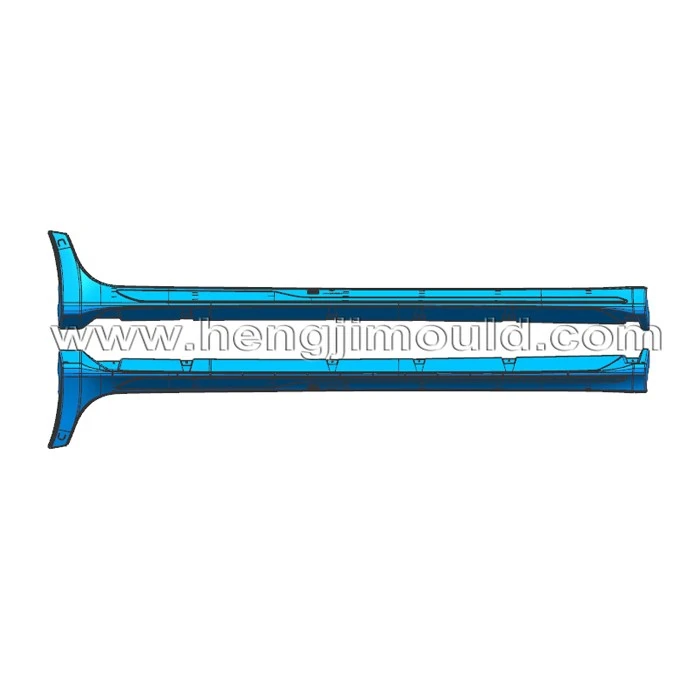
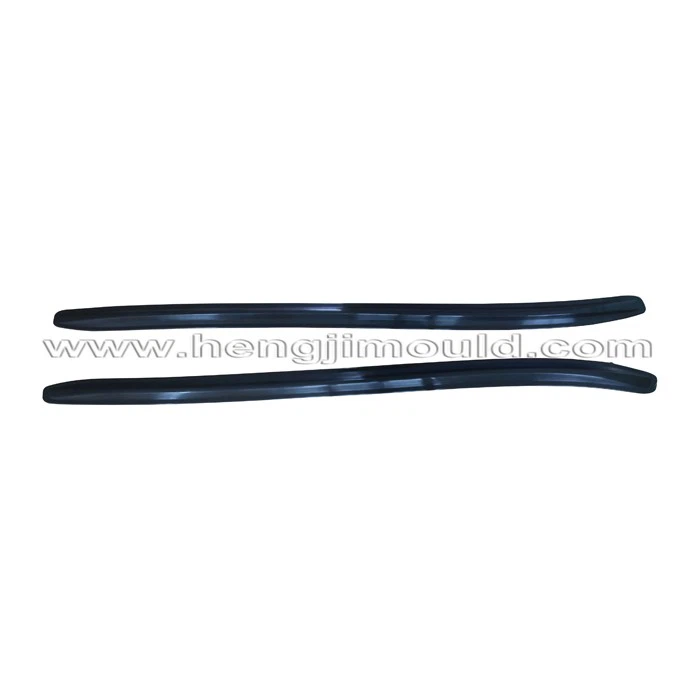
Now, exterior molding. Exterior molding comes in all sorts of shapes, sizes, and materials. We've got Roof Molding Mould that can add a stylish touch to the roofline of a building. Then there's the Rear View Mirror Mould, which is not just for cars but can also be used in some architectural elements to add a unique look. And don't forget the Plastic Side Skirt Trim Moulding, which can give a building a sleek and modern appearance.
So, can we use exterior molding on a ferro - cement structure? The answer is yes, in most cases. But there are a few things we need to consider.
One of the main factors is the adhesion. Since ferro - cement has a rough and porous surface, getting the exterior molding to stick properly is crucial. We need to make sure the surface is clean and free of any dust, dirt, or loose particles before applying the molding. Some types of exterior molding come with their own adhesive systems, but for a ferro - cement surface, we might need to use a high - strength construction adhesive. This adhesive should be able to bond well with both the molding material and the ferro - cement.
Another thing is the expansion and contraction. Ferro - cement, like any other building material, expands and contracts with changes in temperature and humidity. The exterior molding needs to be able to accommodate these movements without cracking or coming loose. That's why it's important to choose a flexible molding material. For example, some plastic - based exterior moldings have good flexibility and can withstand these movements better than rigid materials like some types of wood or metal.
When it comes to the design aspect, ferro - cement structures often have a unique texture and appearance. The exterior molding should complement this rather than clash with it. We can choose moldings with simple and clean lines to enhance the modern look of a ferro - cement building. Or, if the building has a more traditional style, we can opt for moldings with decorative details like scrolls or flutes.
Let's talk about the installation process. Installing exterior molding on a ferro - cement structure is a bit different from other surfaces. First, we need to measure and cut the molding to the right size. This requires some precision, especially if we're dealing with curved or irregularly shaped areas of the ferro - cement. Once the molding is cut, we can start applying the adhesive to the back of the molding and then carefully press it onto the ferro - cement surface. It's a good idea to use some clamps or weights to hold the molding in place while the adhesive dries.
Now, let's consider the durability of the combination. Ferro - cement is known for its long - lasting nature. The exterior molding we choose should also be able to stand the test of time. It needs to be resistant to weather elements like rain, sunlight, and wind. For example, if we're in an area with a lot of sunlight, we should choose a molding material that won't fade or become brittle over time. Some high - quality plastic and fiberglass moldings are great in this regard as they have good UV resistance.
In terms of maintenance, the combination of exterior molding and ferro - cement is relatively low - maintenance. We just need to do some regular cleaning to keep the surface looking good. A simple wash with mild soap and water can remove dirt and grime. And if there are any small damages to the molding, they can usually be repaired easily.
There are also some cost considerations. Ferro - cement is generally a cost - effective building material. When choosing exterior molding, we need to find a balance between cost and quality. There are different price ranges for exterior moldings, and we can choose one that fits our budget without sacrificing too much on quality.
So, to sum it up, exterior molding can definitely be used on a ferro - cement structure. With the right choice of materials, proper installation, and consideration of factors like adhesion, expansion, design, durability, maintenance, and cost, we can create a beautiful and long - lasting combination.
If you're interested in using exterior molding for your ferro - cement project, I'd love to have a chat with you. We can discuss your specific needs, the best molding options for your structure, and work out a plan that suits you. Whether you're building a small shed or a large commercial building, we've got the expertise and the products to make it happen.
References
- "Ferro - Cement: Principles and Practice" by J. K. Mathur
- "Exterior Molding Handbook" - Industry Publication


